Travel Blog
Travel tips, destination guides, diabetes tips, and real-world experiences from the road.
The World's Safest Countries to Visit in 2026
Austria, Iceland, Canada, and Japan are showing up near the top of major 2026 travel-safety rankings. Here’s what those rankings can and can’t tell you when planning international travel with diabetes.
From Iceland and Italy to Japan, some of the places that have helped shape how I think about safety, preparation, and traveling confidently with diabetes.

Every year, a fresh batch of “safest countries in the world” rankings starts making the rounds, and this year four names kept showing up near the top: Austria, Iceland, Canada, and Japan.
If that list looks familiar, it should. Those are also four countries Glucose Getaways already has destination guides for.
I did not plan that overlap, but it turned out to be a genuinely useful signal, especially if you are the kind of traveler who does a little extra homework before booking a flight because you are managing diabetes while you are away from home.
Rankings like this come out every year, and most of us scroll right past them. This year I actually sat with them for a while, because they line up almost perfectly with several of the places I already point people toward.
What These Rankings Are Actually Measuring
There isn’t one universal formula for determining the “safest country in the world.”
Different rankings measure safety differently.
For example, Berkshire Hathaway Travel Protection’s 2026 rankings combine traveler survey responses with outside safety data and look at several dimensions of travel safety. Another 2026 ranking from HelloSafe uses five categories: public safety and crime, political and social stability, health security, cybersecurity, and environmental risk and climate resilience.
That’s an important distinction.
A country ranking highly doesn’t guarantee that nothing will go wrong on your trip. And these rankings shouldn’t replace current government travel advisories or your own research.
What they can do is give you another piece of information when you’re deciding where you feel comfortable traveling.
And when you’re already thinking about insulin, supplies, pharmacies, healthcare, transportation, and everything else that comes with traveling with diabetes, that information can be pretty valuable.
Why This Matters More When You Are Managing Diabetes on the Road
A safety ranking is not a diabetes safety rating.
But some of the things considered in broader travel-safety research, particularly infrastructure, healthcare, and emergency preparedness, can matter when you’re managing a chronic condition away from home. HelloSafe’s 2026 methodology, for example, specifically includes health security as one component of its overall index.
I wrote about how much fear used to hold me back before my first international trip, and a huge part of what eventually got me on that plane to Italy was learning to trust that if something went wrong, I would have options.
That’s the part of these rankings that interests me most.
Strong infrastructure, accessible healthcare, and reliable emergency systems can give you more options when something goes wrong. That doesn’t make a diabetes emergency less serious, but knowing where to find help can make an unfamiliar situation easier to navigate.
“The safest trip is not the one where nothing could possibly go wrong. It is the one where you already know what happens if something does.”
Austria: Alpine, Orderly, and Easy to Plan Around
Austria stands out for exactly the kind of things I look for when researching a destination with diabetes in mind: strong infrastructure, organized transportation, established healthcare services, and access to pharmacies.
It also performs exceptionally well in current safety research. Berkshire Hathaway ranks Austria #3 in the world for travelers in 2026, while HelloSafe places it #12 globally and #8 within Europe in its 2026 index.
For someone who likes to know how they’re getting from one city to another, where essential services are located, and what their options are if plans change, that kind of predictability can take some of the pressure out of planning.
And that’s exactly the kind of information I focus on in the Austria guide.
Iceland: Wide Open Roads and a Surprisingly Calm Feeling
When I drove Iceland’s Ring Road, what stuck with me was not just the waterfalls and black sand beaches.
It was how calm the whole country felt.
Traffic could be incredibly light. Towns and services became important waypoints along the route, and planning fuel, food, supplies, and stops ahead of time made the more remote stretches much easier to handle.
That doesn’t mean Iceland’s remoteness should be underestimated. Weather can change quickly, distances can be significant, and services aren’t equally available everywhere.
But with preparation, I found the predictability of the Ring Road incredibly reassuring.
And the safety rankings back up the country’s broader reputation: Iceland ranks #4 in Berkshire Hathaway’s 2026 ranking and #1 in the world in HelloSafe’s newly updated 2026 Safety Index.
That kind of environment made it easier for me to build buffer time into my itinerary instead of feeling like I had to white-knuckle my way between stops.
Driving Iceland’s Ring Road was one of the calmest parts of my trip, with wide-open landscapes, light traffic, and plenty of time to take it all in.
Canada: A Gentle On-Ramp to International Travel
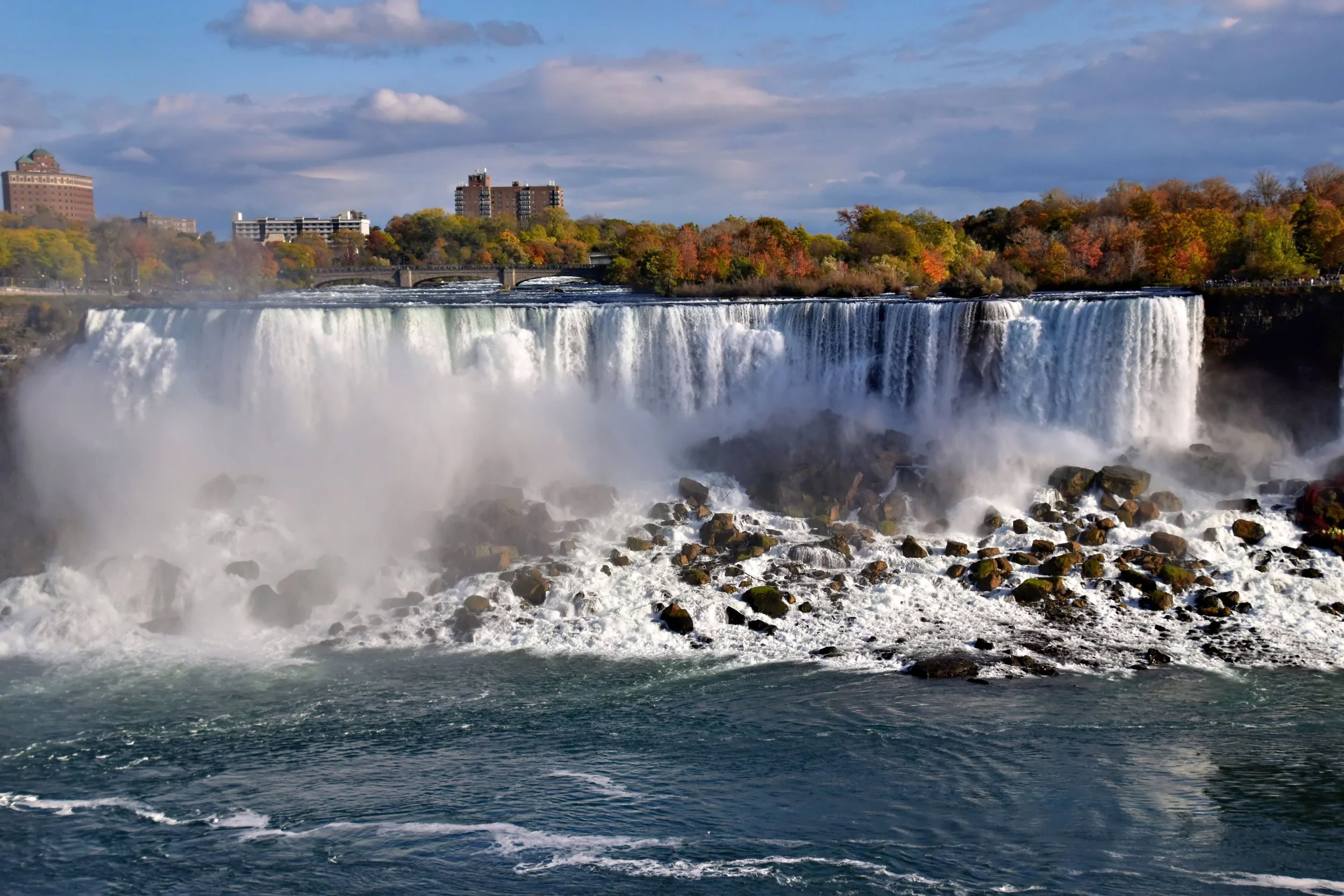
Canada can make a lot of sense for someone in the U.S. who wants to build confidence traveling internationally with diabetes before going much farther from home.
Canada has strong infrastructure, English is widely spoken across most of the country, and for travelers coming from the U.S., the cultural adjustment can feel relatively small.
It also performs extremely well in both of the current rankings we’re looking at: #5 in Berkshire Hathaway’s 2026 ranking and #10 in HelloSafe’s 2026 index.
You still need to prepare for the usual things: medications, supplies, insurance, emergency information, and understanding how healthcare works as a visitor, but Canada can remove some of the other unknowns that make a first international trip feel intimidating.
Japan: Meticulous in a Way That Works in Your Favor
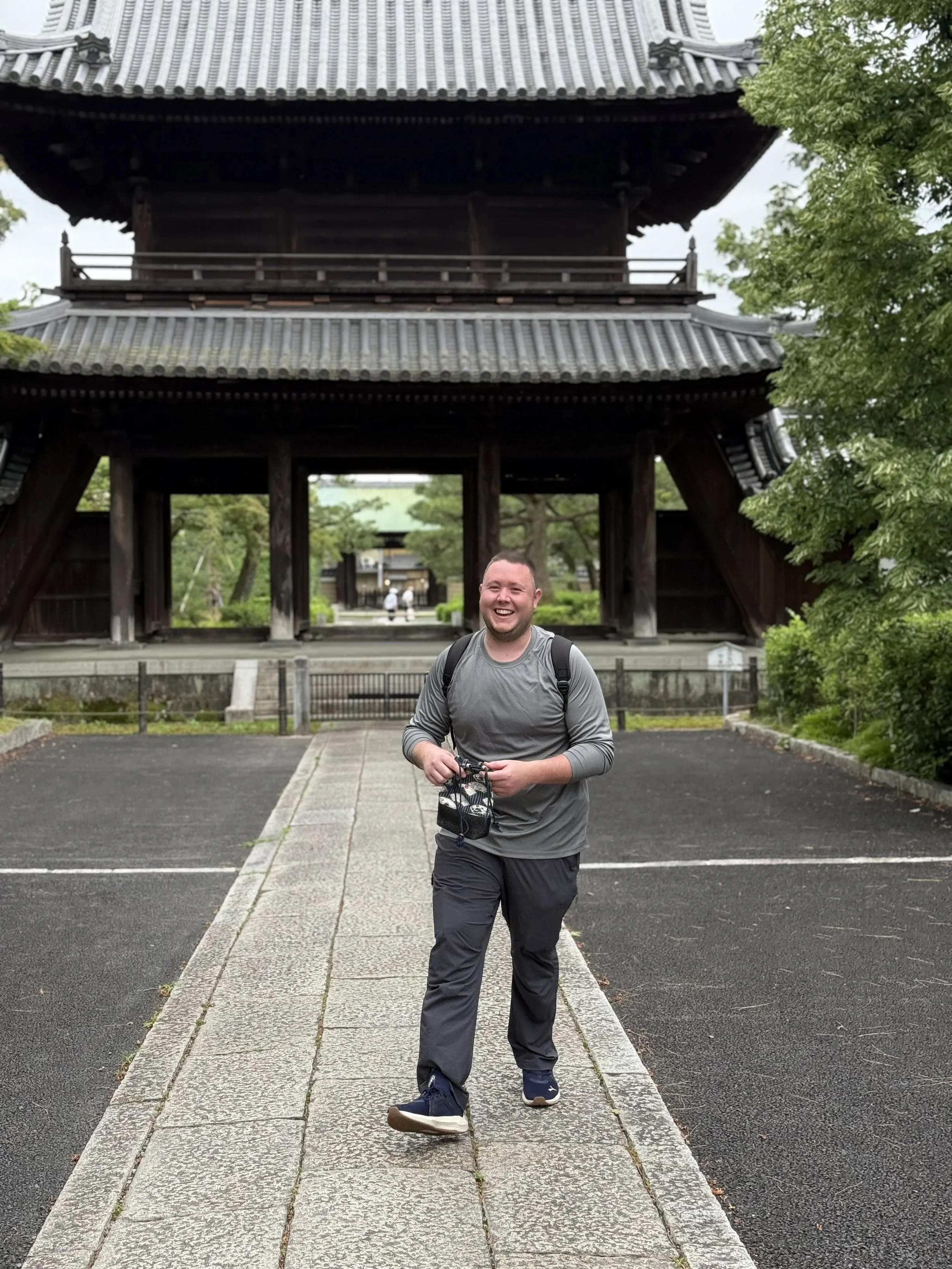
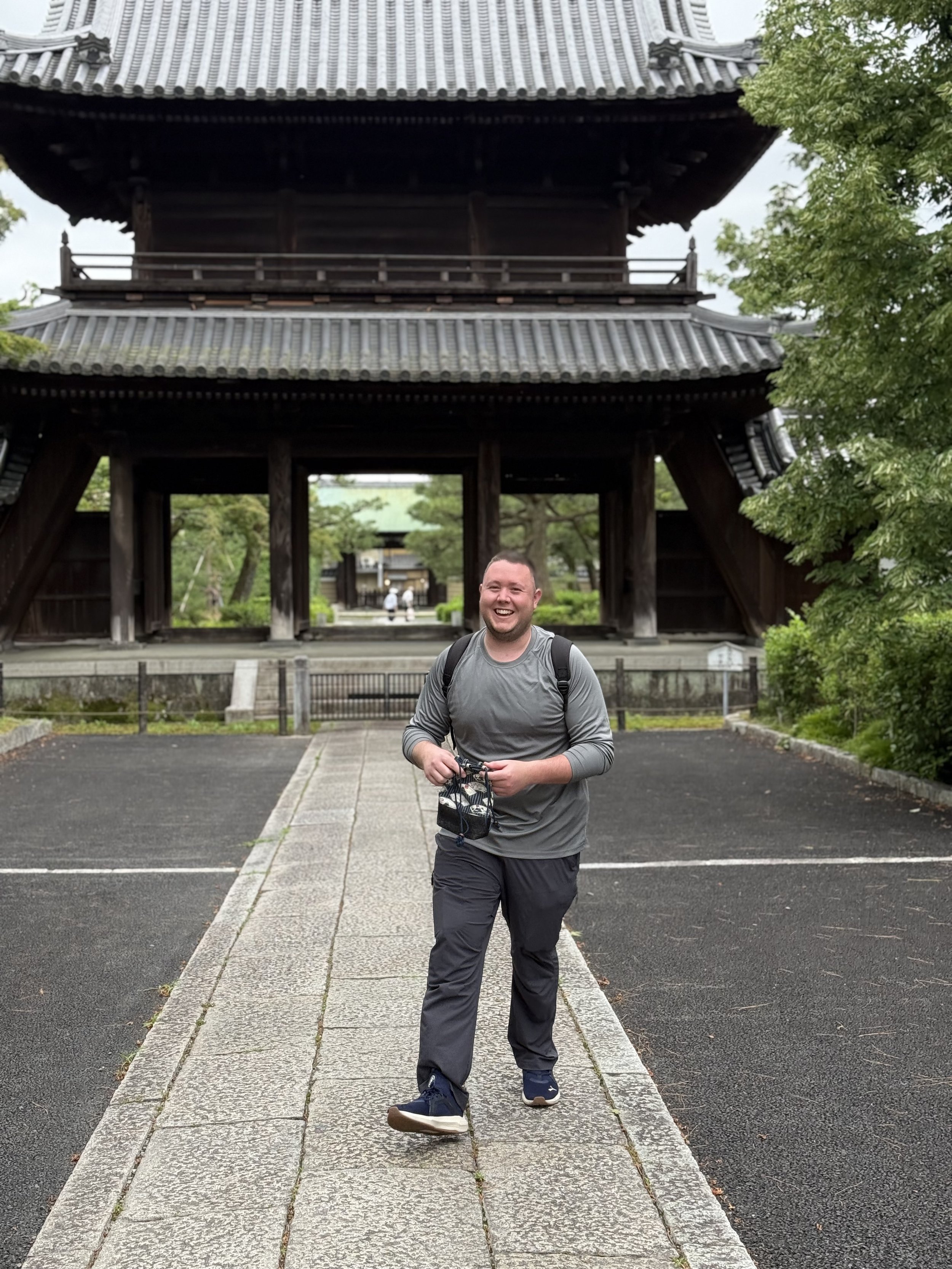
Japan might be the country where I felt safest walking around alone, even late at night in a city as big as Tokyo.
The precision Japan is famous for - punctual trains, clean streets, clearly marked transportation, and highly organized systems worked in my favor constantly.
Convenience stores, or konbini, are everywhere, which also gave me plenty of options for grabbing food or fast-acting carbohydrates while I was out exploring.
Even navigating one of the largest cities in the world, I rarely felt like I was completely on my own if I needed something.
Japan also ranks #9 in Berkshire Hathaway’s 2026 list and #8 in HelloSafe’s 2026 global ranking.
For me, that’s one of those cases where the numbers line up remarkably well with how the destination actually felt while I was there.
What to Actually Do With This Information
A safety ranking is a helpful filter, not a replacement for your own preparation.
Before any international trip, especially to a new country, it is worth building a short checklist so you are not relying on luck.
None of these steps take very long, and every one of them is the kind of thing you’ll be glad you did if your trip throws you a curveball.
Check the current government travel advisory for your destination before you book, not just before you leave.
Bring the diabetes documentation that is appropriate for your trip, medications and devices, and check destination-specific requirements before traveling.
Look up the local word for pharmacy and a few key diabetes or medical terms before you land.
Bookmark the Glucose Getaways Diabetes Emergency Resources page so it is easy to find if you need it.
Make sure someone you trust has access to your basic itinerary, especially if you’re traveling alone.
None of this is about being afraid.
It’s the same logic behind wearing a seatbelt in a car you already trust completely.
The preparation is what lets you actually relax once you land, because you’ve already thought about what you would do if the trip goes sideways for an afternoon.
Start Planning Your Trip
Austria, Iceland, Canada, and Japan all have destination guides on Glucose Getaways built with diabetes travel in mind, alongside every other country we cover.
If one of this year’s safest countries just landed on your travel list, browse the full destination library and start planning with a head start.
Sources & Official Travel Information
Safety rankings and travel conditions can change. These are the primary sources referenced in this article, along with official U.S. travel-advisory information.
Berkshire Hathaway Travel Protection — Safest Countries to Travel in 2026 →
HelloSafe — Safest Countries in the World 2026 →
U.S. Department of State — Travel Advisories →
Travel & Health Note
This article is provided for general informational purposes and reflects personal travel experiences alongside publicly available travel-safety information. Safety conditions, travel advisories, healthcare access, and entry requirements can change. Rankings are not a measure of diabetes-specific safety and do not guarantee that a destination is risk-free. Always check current official travel information and speak with your healthcare provider about your individual medical needs before traveling.
How My First International Trip With Type 1 Diabetes Changed Everything
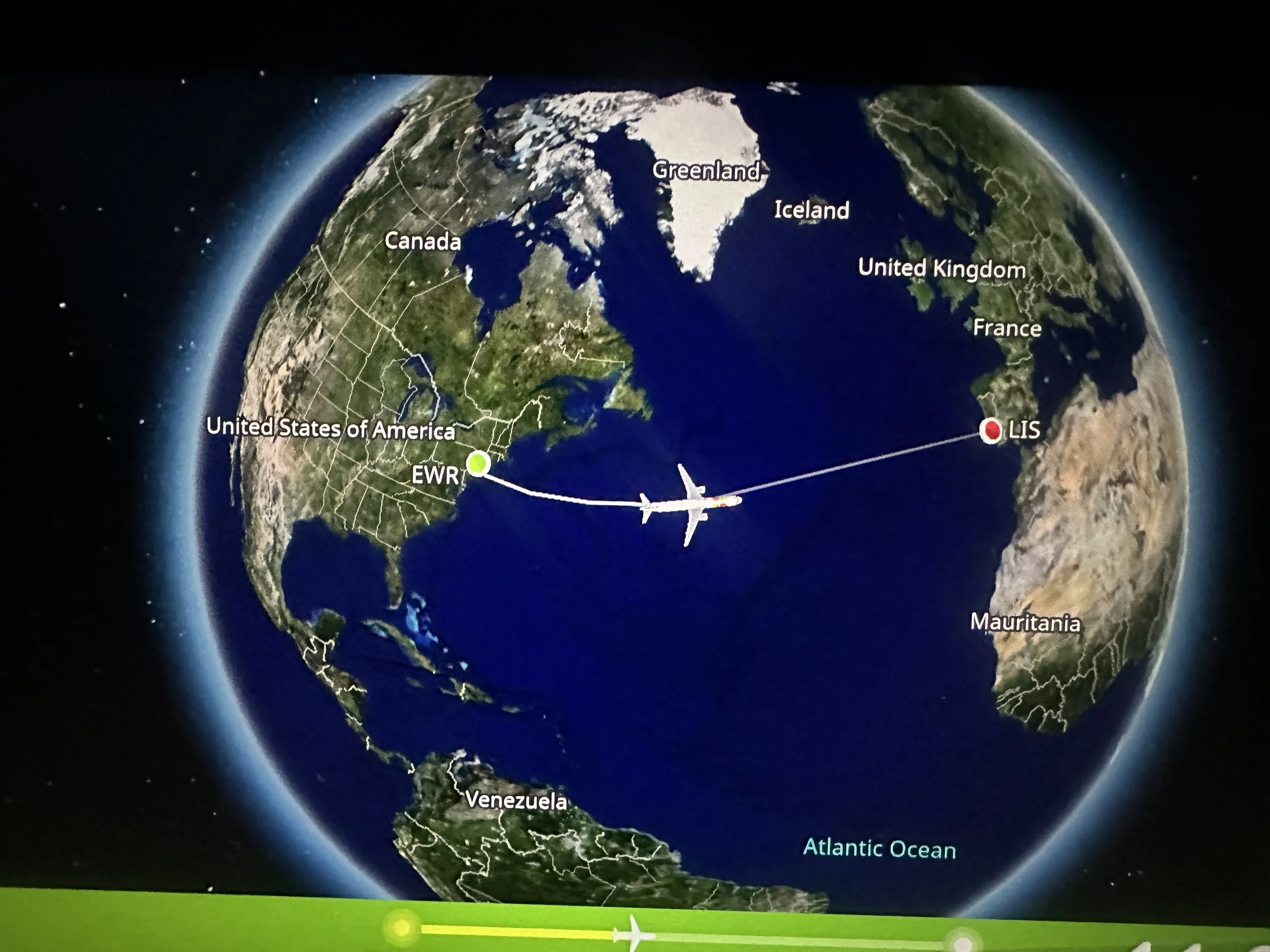
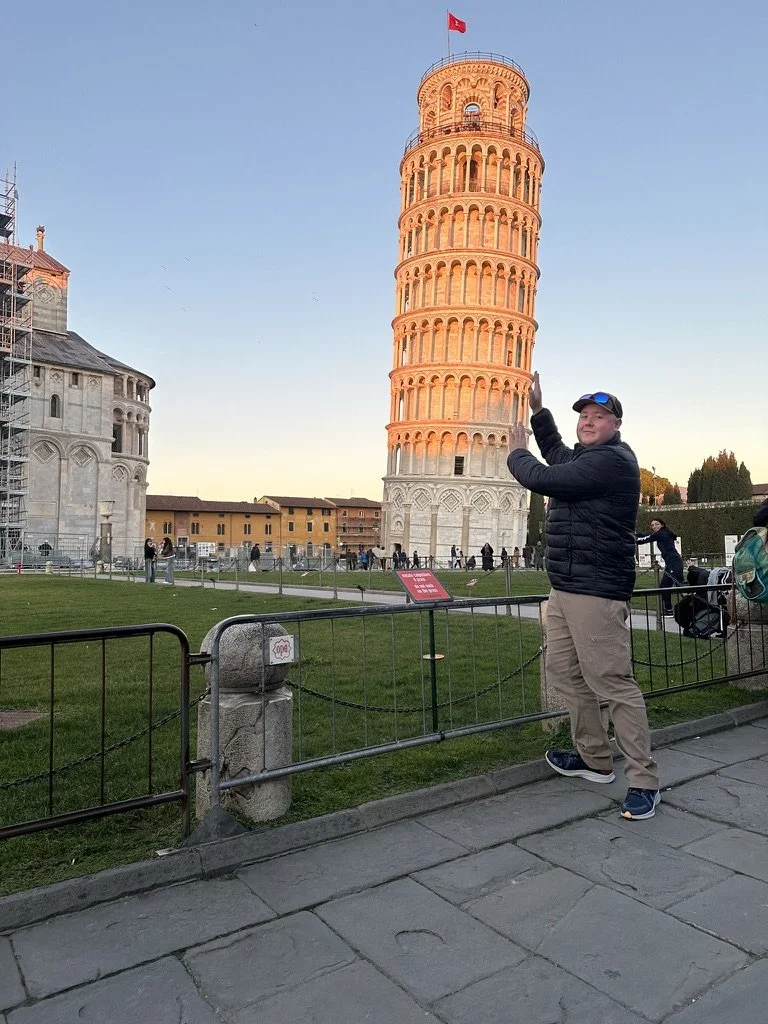
After almost 10 years of wondering whether Type 1 diabetes would keep me from seeing the world, I finally booked a solo trip to Italy. Things didn't exactly go according to plan, but that first international trip changed how I saw travel, diabetes, and what I was capable of.
From Iceland and Italy to Japan, some of the places that have helped shape how I think about safety, preparation, and traveling confidently with diabetes.
Every year, a fresh batch of “safest countries in the world” rankings starts making the rounds, and this year four names kept showing up near the top: Austria, Iceland, Canada, and Japan.
If that list looks familiar, it should. Those are also four countries Glucose Getaways already has destination guides for.
I did not plan that overlap, but it turned out to be a genuinely useful signal, especially if you are the kind of traveler who does a little extra homework before booking a flight because you are managing diabetes while you are away from home.
Rankings like this come out every year, and most of us scroll right past them. This year I actually sat with them for a while, because they line up almost perfectly with several of the places I already point people toward.
What These Rankings Are Actually Measuring
There isn’t one universal formula for determining the “safest country in the world.”
Different rankings measure safety differently.
For example, Berkshire Hathaway Travel Protection’s 2026 rankings combine traveler survey responses with outside safety data and look at several dimensions of travel safety. Another 2026 ranking from HelloSafe uses five categories: public safety and crime, political and social stability, health security, cybersecurity, and environmental risk and climate resilience.
That’s an important distinction.
A country ranking highly doesn’t guarantee that nothing will go wrong on your trip. And these rankings shouldn’t replace current government travel advisories or your own research.
What they can do is give you another piece of information when you’re deciding where you feel comfortable traveling.
And when you’re already thinking about insulin, supplies, pharmacies, healthcare, transportation, and everything else that comes with traveling with diabetes, that information can be pretty valuable.
Why This Matters More When You Are Managing Diabetes on the Road
A safety ranking is not a diabetes safety rating.
But some of the things considered in broader travel-safety research, particularly infrastructure, healthcare, and emergency preparedness, can matter when you’re managing a chronic condition away from home. HelloSafe’s 2026 methodology, for example, specifically includes health security as one component of its overall index.
I wrote about how much fear used to hold me back before my first international trip, and a huge part of what eventually got me on that plane to Italy was learning to trust that if something went wrong, I would have options.
That’s the part of these rankings that interests me most.
Strong infrastructure, accessible healthcare, and reliable emergency systems can give you more options when something goes wrong. That doesn’t make a diabetes emergency less serious, but knowing where to find help can make an unfamiliar situation easier to navigate.
“The safest trip is not the one where nothing could possibly go wrong. It is the one where you already know what happens if something does.”
Austria: Alpine, Orderly, and Easy to Plan Around
Austria stands out for exactly the kind of things I look for when researching a destination with diabetes in mind: strong infrastructure, organized transportation, established healthcare services, and access to pharmacies.
It also performs exceptionally well in current safety research. Berkshire Hathaway ranks Austria #3 in the world for travelers in 2026, while HelloSafe places it #12 globally and #8 within Europe in its 2026 index.
For someone who likes to know how they’re getting from one city to another, where essential services are located, and what their options are if plans change, that kind of predictability can take some of the pressure out of planning.
And that’s exactly the kind of information I focus on in the Austria guide.
Iceland: Wide Open Roads and a Surprisingly Calm Feeling
When I drove Iceland’s Ring Road, what stuck with me was not just the waterfalls and black sand beaches.
It was how calm the whole country felt.
Traffic could be incredibly light. Towns and services became important waypoints along the route, and planning fuel, food, supplies, and stops ahead of time made the more remote stretches much easier to handle.
That doesn’t mean Iceland’s remoteness should be underestimated. Weather can change quickly, distances can be significant, and services aren’t equally available everywhere.
But with preparation, I found the predictability of the Ring Road incredibly reassuring.
And the safety rankings back up the country’s broader reputation: Iceland ranks #4 in Berkshire Hathaway’s 2026 ranking and #1 in the world in HelloSafe’s newly updated 2026 Safety Index.
That kind of environment made it easier for me to build buffer time into my itinerary instead of feeling like I had to white-knuckle my way between stops.
Driving Iceland’s Ring Road was one of the calmest parts of my trip, with wide-open landscapes, light traffic, and plenty of time to take it all in.
Canada: A Gentle On-Ramp to International Travel
Canada can make a lot of sense for someone in the U.S. who wants to build confidence traveling internationally with diabetes before going much farther from home.
Canada has strong infrastructure, English is widely spoken across most of the country, and for travelers coming from the U.S., the cultural adjustment can feel relatively small.
It also performs extremely well in both of the current rankings we’re looking at: #5 in Berkshire Hathaway’s 2026 ranking and #10 in HelloSafe’s 2026 index.
You still need to prepare for the usual things: medications, supplies, insurance, emergency information, and understanding how healthcare works as a visitor, but Canada can remove some of the other unknowns that make a first international trip feel intimidating.
Japan: Meticulous in a Way That Works in Your Favor
Japan might be the country where I felt safest walking around alone, even late at night in a city as big as Tokyo.
The precision Japan is famous for - punctual trains, clean streets, clearly marked transportation, and highly organized systems worked in my favor constantly.
Convenience stores, or konbini, are everywhere, which also gave me plenty of options for grabbing food or fast-acting carbohydrates while I was out exploring.
Even navigating one of the largest cities in the world, I rarely felt like I was completely on my own if I needed something.
Japan also ranks #9 in Berkshire Hathaway’s 2026 list and #8 in HelloSafe’s 2026 global ranking.
For me, that’s one of those cases where the numbers line up remarkably well with how the destination actually felt while I was there.
What to Actually Do With This Information
A safety ranking is a helpful filter, not a replacement for your own preparation.
Before any international trip, especially to a new country, it is worth building a short checklist so you are not relying on luck.
None of these steps take very long, and every one of them is the kind of thing you’ll be glad you did if your trip throws you a curveball.
Check the current government travel advisory for your destination before you book, not just before you leave.
Bring the diabetes documentation that is appropriate for your trip, medications and devices, and check destination-specific requirements before traveling.
Look up the local word for pharmacy and a few key diabetes or medical terms before you land.
Bookmark the Glucose Getaways Diabetes Emergency Resources page so it is easy to find if you need it.
Make sure someone you trust has access to your basic itinerary, especially if you’re traveling alone.
None of this is about being afraid.
It’s the same logic behind wearing a seatbelt in a car you already trust completely.
The preparation is what lets you actually relax once you land, because you’ve already thought about what you would do if the trip goes sideways for an afternoon.
Start Planning Your Trip
Austria, Iceland, Canada, and Japan all have destination guides on Glucose Getaways built with diabetes travel in mind, alongside every other country we cover.
If one of this year’s safest countries just landed on your travel list, browse the full destination library and start planning with a head start.
Sources & Official Travel Information
Safety rankings and travel conditions can change. These are the primary sources referenced in this article, along with official U.S. travel-advisory information.
Berkshire Hathaway Travel Protection — Safest Countries to Travel in 2026 →
HelloSafe — Safest Countries in the World 2026 →
U.S. Department of State — Travel Advisories →
Travel & Health Note
This article is provided for general informational purposes and reflects personal travel experiences alongside publicly available travel-safety information. Safety conditions, travel advisories, healthcare access, and entry requirements can change. Rankings are not a measure of diabetes-specific safety and do not guarantee that a destination is risk-free. Always check current official travel information and speak with your healthcare provider about your individual medical needs before traveling.


After almost 10 years of wondering whether Type 1 diabetes would keep me from seeing the world, I finally booked a solo trip to Italy. Things didn't exactly go according to plan, but that first international trip changed how I saw travel, diabetes, and what I was capable of.