
Chasing Fall Color on the Niagara Parkway: Ontario's Best Kept Foliage Secret
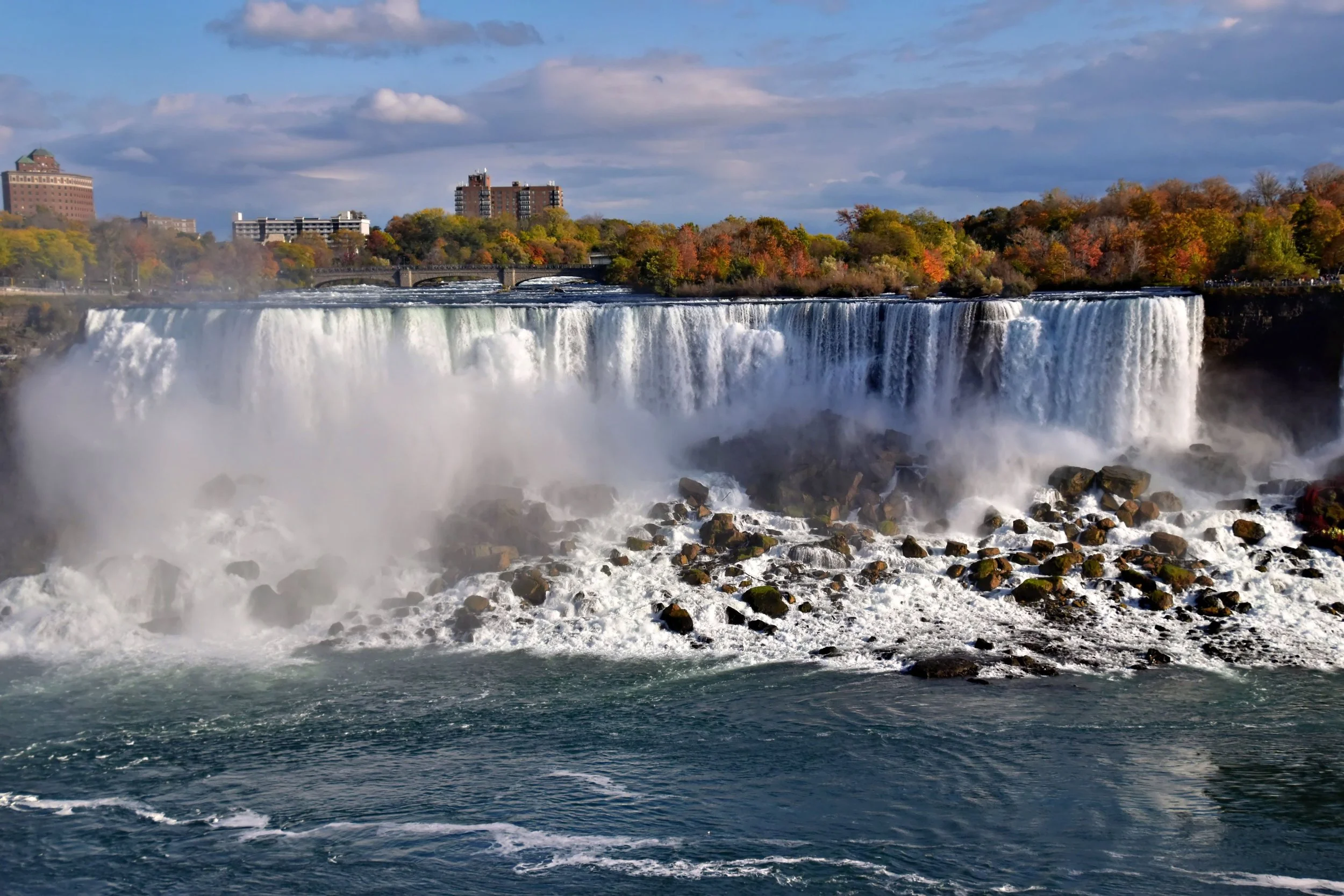
Fall brings a completely different look to Niagara, and the Falls are only the beginning.
Everyone knows the Niagara Falls version of Niagara.
The mist. The railing. The photo. Maybe one of the attractions around the Falls. Then back to the hotel or parking lot.
But follow the Niagara River beyond the Falls and you start finding a completely different version of the destination.
The Niagara Parkway follows the river through parks, historic sites, hiking areas, small communities, and eventually the wine country surrounding Niagara-on-the-Lake. Add changing leaves to that landscape and suddenly Niagara becomes much more than a place to stop, see the Falls, and leave.
Fall is when I'd want to slow the entire trip down and actually follow the river.
When to See Fall Color Along the Niagara Parkway
Fall color doesn't arrive on exactly the same schedule every year.
Temperature, weather, location, and other seasonal conditions can all affect when the leaves begin changing and when they reach their best color.
That's why I wouldn't book a Niagara foliage trip around one supposedly perfect peak date months in advance.
Instead, I'd think of October as the main planning window and start paying much closer attention to current conditions as the trip approaches.
Niagara Parks specifically highlights places along the Niagara River corridor, including Niagara Glen and the Whirlpool Aero Car, as opportunities to experience the changing autumn landscape.
The closer I got to departure, the more I'd rely on current local foliage and weather information rather than a prediction I saved months earlier.
Plan the window early. Time the color late.
The Niagara Parkway, Stop by Stop
The Niagara Parkway follows roughly 56 kilometers (34.8 miles) of the Niagara River corridor, connecting Fort Erie in the south with Niagara on the Lake in the north.
And that's what makes this road trip interesting.
You don't necessarily need a packed hiking itinerary or ten attractions scheduled before lunch.
You need a car, enough time to stop, and a willingness to pull over when somewhere looks worth exploring.
A few places I'd put on the route:
• Niagara on the Lake: A historic town at the northern end of the Parkway surrounded by one of Ontario's best known wine regions. It also makes a natural home base if you want to combine the drive with wineries, restaurants, and time exploring the town.
• Queenston Heights: A historic park overlooking the Niagara River, with trails, monuments, green space, and elevated views around the Niagara Escarpment.
• Niagara Glen: This is where the trip becomes considerably more active. Niagara Parks describes approximately 4 kilometers (2.49 miles) of rugged hiking paths through a preserved area of Carolinian forest overlooking the Niagara River and rapids. Check current trail conditions before hiking because closures and maintenance can affect access.
• Dufferin Islands: A quieter natural area close to the Falls with islands, bridges, walking paths, and surrounding trees that make it an easy place to slow down for a while.
• Whirlpool Aero Car: A seasonal cable car that travels above the Niagara Whirlpool and provides views across the Niagara Gorge. Niagara Parks specifically highlights the changing autumn colors visible along both sides of the gorge.
The goal wouldn't be checking every stop off a list.
I'd rather pick the places that interest me most and leave enough time between them to actually enjoy the drive.
Don't Skip the Falls Just Because You've Seen the Photos
Building the trip around the Parkway doesn't mean I'd skip Niagara Falls itself.
Quite the opposite.
I'd use the Falls as one part of the road trip rather than allowing them to become the entire trip.
Places around Table Rock Centre put you right beside the Horseshoe Falls, while Journey Behind the Falls gives you a completely different perspective from observation areas beside and behind the waterfall.
Then, instead of getting back in the car and ending the trip, I'd keep following the river.
That's what makes this itinerary different.
You still get the Niagara Falls experience everyone came to see, but the Falls become one stop inside a much larger autumn road trip.

The Falls may be the main attraction, but they don't have to be the entire trip.
Harvest Season in Wine Country
Keep following the Parkway north and eventually the trip changes again.
Niagara on the Lake sits within one of Canada's major wine producing regions, which makes wine country a natural addition to an autumn trip.
I wouldn't try to visit every winery.
Two or three places I'm genuinely interested in would be plenty, particularly if I also want time to explore Niagara on the Lake rather than spending the entire day moving between tasting rooms.
And if your trip extends later into the season, there's a specific 2026 event worth knowing about.
Taste the Season is scheduled for weekends throughout November 2026, with participating Niagara on the Lake wineries offering curated food and wine pairings.
That gives you another reason not to think of Niagara's autumn season as disappearing the second October ends.
If wine tasting is part of my trip, I'd also figure out transportation before the first tasting rather than deciding how I'm getting back afterward.
Alcohol can affect blood sugar differently from person to person, so this is one of those situations where I'd stick with the diabetes plan I've already discussed with my healthcare team rather than trying to improvise while traveling.
Practical Planning for the Trip
For travelers coming from the United States, there are a couple of obvious ways to approach Niagara.
Buffalo puts you close to the Canadian border and Niagara region, while Toronto gives you the option of combining the road trip with time in Canada's largest city.
Either way, this is one trip where I'd want a car.
Before crossing the border, I'd also verify the current entry requirements rather than relying on something I remembered from a previous trip.
For U.S. travelers, acceptable documentation can differ depending on whether you're entering Canada by land or air. I would travel with a valid passport and check the current requirements with the Canada Border Services Agency before departure.
Canada also means switching from U.S. dollars to Canadian dollars.
Exchange rates move, so rather than mentally guessing what everything costs, you can use the Glucose Getaways Currency Converter before the trip to get a better idea of what your budget looks like in Canadian dollars.
My Niagara Road Trip Checklist
Check your entry documents. Verify Canada's current requirements for your method of travel before leaving.
Reserve accommodations ahead of time. If Niagara on the Lake is where you want to stay, I'd rather have the hotel I actually want than depend on finding something after I arrive.
Check current foliage conditions. Don't depend on a peak color prediction you found months earlier.
Have a car plan. This is a road trip, and having your own transportation gives you considerably more flexibility along the Parkway.
Check attraction and trail conditions. Seasonal operating schedules, weather, maintenance, and trail closures can affect what is available.
Leave room to stop. If every minute of the drive is scheduled, you're missing part of the reason for taking the Parkway in the first place.
Traveling the Niagara Parkway With Diabetes
For me, the diabetes side of a road trip like this comes down to something pretty simple:
I want what I need with me before I start driving.
I wouldn't depend on replacing diabetes medication or supplies after crossing the border.
I'd bring what I expect to need for the trip plus appropriate backups, and I'd keep important diabetes supplies somewhere accessible rather than buried underneath everything else in the car.
Temperature matters too.
I wouldn't leave insulin sitting on a dashboard or in a hot parked car. If temperature protection is needed for the insulin I'm carrying, I'd follow its storage instructions and use an appropriate method of keeping it within its recommended temperature range.
Before leaving, I'd also look up pharmacies near where I'm staying and save their locations and hours.
That's not because I expect to need one.
It's because if something does happen, I'd rather already know where I'm going than start searching from the side of the road.
Canadian travel guidance similarly recommends travelers bring sufficient medication for the duration of their trip and keep medications properly stored while traveling.
It's another one of those little pieces of preparation that takes a few minutes at home and can save considerably more time later.
The Niagara Most People Drive Past
Niagara Falls doesn't exactly need help attracting visitors.
That's part of what makes the Parkway interesting.
The giant attraction is already there.
You can stand beside one of the world's most famous waterfalls, get back in the car, and within the same trip find hiking trails, river overlooks, historic sites, quieter natural areas, wineries, and Niagara on the Lake.
In fall, changing leaves give you another reason to connect all of those places instead of treating them as separate destinations.
And that's probably how I'd approach this trip.
See the Falls. Then keep driving.
There's a lot more Niagara waiting along the river.
Turn It Into a Canada Trip
If this is the trip that finally gets you across the border, the Glucose Getaways Canada guidebook goes deeper into planning travel throughout Canada with diabetes in mind.
It covers the practical details that are much easier to figure out before you leave so you can spend less time trying to solve them once you're already there.
Sources & Official Travel Information
Seasonal conditions, attraction schedules, trail access, border requirements, events, and other travel information can change. These are the primary official sources referenced in this article.
Niagara Parks: Whirlpool Aero Car →
Wineries of Niagara on the Lake: Taste the Season →
Travel & Health Note
This article is provided for general informational purposes and reflects personal travel perspectives alongside publicly available travel information. Fall foliage timing, attraction schedules, trail conditions, border requirements, events, transportation information, and other travel details can change. Diabetes needs, medication storage requirements, and travel considerations can also vary from person to person. Always check current official information before traveling and speak with your healthcare provider about your individual medical needs.